TRADITIONAL REVOLUTION. Thorough and swift destruction and replacement designed to demolish existing institutions and the System itself and replace them with all-new everything. See Robespierre and Lenin.
2.
GRADUALREVOLUTION. Change within existing institutions and hierarchies, designed to capture them. Theodore Adorno and the Frankfurt School might exemplify this mode of thinking. Or were precursors of it, along with Antonio Gramsci.
3.
COMPETITIVEREVOLUTION. Competing with existing institutions using smaller, faster, more mobile and vastly more creative new organizations. Elon Musk’s various projects, as well as many popular DIY podcasts, fit this category.
CHANGE AGENTS
Currently we live in a world where Revolution Style #3 has pushed its way to the forefront. Upstarts everyplace. New ways of thinking pushed by what could be called change agents. The active molecules mentioned in Part I of this series.
Musk due to his penchant for publicity is at the forefront of such energized entities. Elon Musk has always been a huckster, combined with an arrogance unleavened by humility. (He’s yet to be knocked down hard by life.) His real strength lies in his ability to see weakness in established institutions, whether they be Boeing in aerospace, or General Motors and other legacy giants in the auto industry. The ability to observe “the best” and realize they can be taken down.
Elon Musk carries the ethos of the upstart– eager to topple complacent established kings and set himself up as new one.
In this quest, he relies on the doctrine of First Principles, which we’ll look at in the next installment of this series on change and how to make it.
MOST WRITERS are the product of the stale way literature is taught.
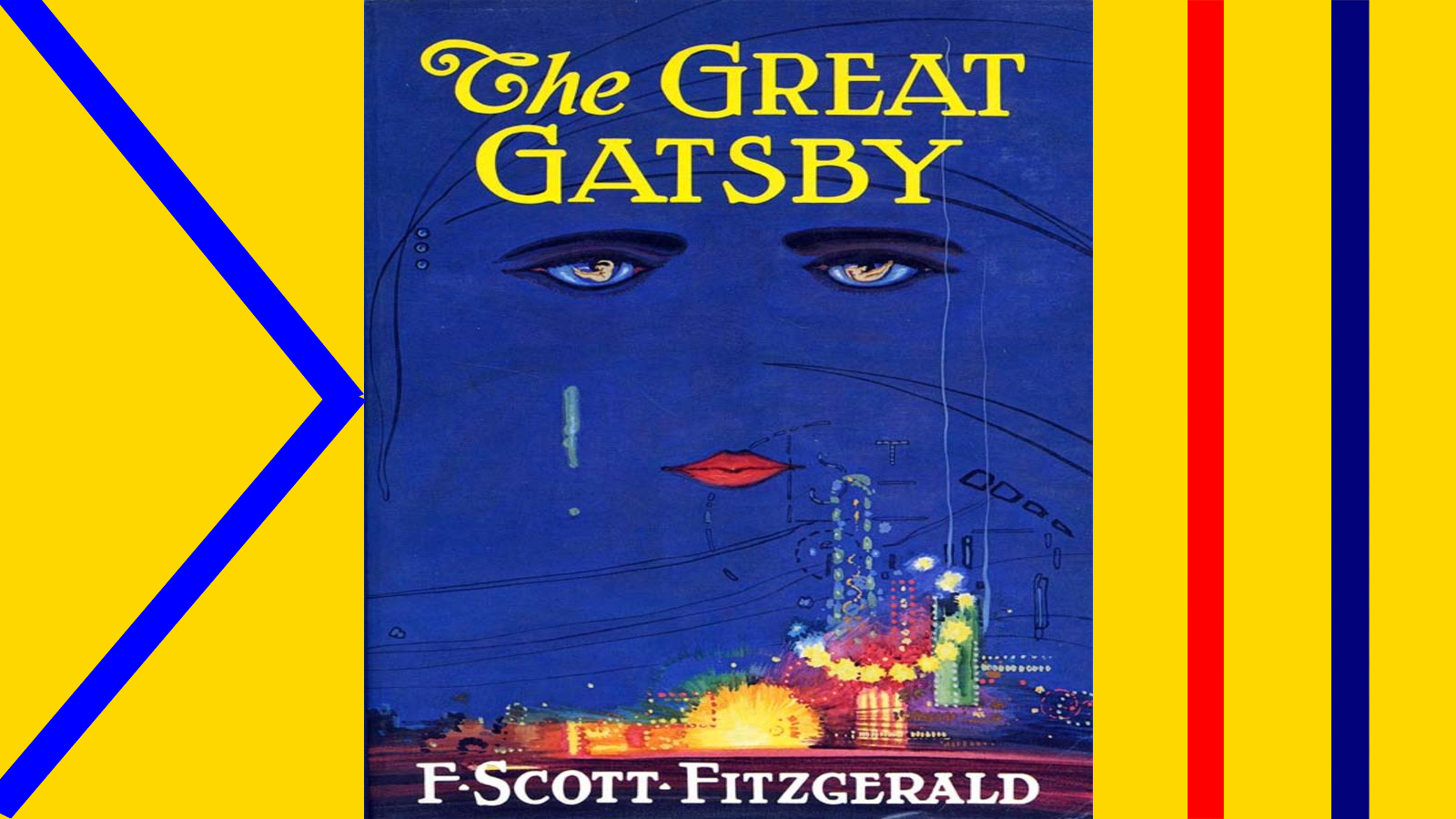
Much emphasis on themes and sentences. A great example of this is F. Scott Fitzgerald’s novel The Great Gatsby, a favorite of high school teachers and freshman-level college American lit profs. Along with Harper Lee’s To Kill a Mockingbird, the most over-taught American novel ever.
Yet none of the instructors approaches what Fitzgerald was doing with it that gives the story and the main character their sense of mystery. What’s taught instead are its themes: “The American Dream”– striving after “the green light” blah blah– along with the book’s lyricism. Fitzgerald’s beautiful passages, particularly the opening and closing. “The well-written sentence.” What’s missing?
For starters, Fitzgerald combines pop elements with the literary. Gatsby, after all, is a gangster. The lyricism is used carefully– much of the story is propelled by simple declarative sentences. Like a baseball fastball following a series of off-speed pitches, the occasional lyrical sentence stands out.
Most important though and seldom examined is the book’s structure. The serious writer, when confronting the novel, needs to approach it like an engineer. How does it really work?
Take the book apart and you find it has a complex structure– the story of Jay Gatsby put together using the narrator Nick Carraway’s own impressions combined with rumor, speculation, and hearsay. Beyond this, the narrative doesn’t stick strictly to the present, but gives the reader, in segments, a great deal of backstory. Jumps into glimpses of the past.
Examining the thematic instead of the technical is fine if you’re an English professor, but writers looking to reinvent the art need to seek all possible examples of structural innovation, which can be utilized, refreshed, or merged, toward the goal of creating a more exciting product.
Which will be discussed in future parts of this impromptu series intended to explain a little of what we’re up to in the New Pop Lit development studio.
Few people see the world as it really is, because we’re not taught to see it that way: As conflict between the dynamic and the static. The active agent, and the acted upon.
Count Leo Tolstoy discussed this in his massive masterpiece novel War and Peace. Is history the product of great men– or of the movement of massive unseen forces? Or a combination of both?
In his discussion of Napoleon and the invasion of Russia, Tolstoy saw the great man as merely along for the ride, accompanying a wave of economic and social forces. Yet change as often as not, even in the instance cited, is a matter of the willful individual pushing and driving the merely passive: the static. The inertia of movement pushing the inertia of the unmoving. Force upon molecules. One dynamic individual disturbing all around itself, like a cue ball upsetting a rack of balls in a pool hall.
XXXX
CHANGE should be especially true in the arts, which are intended to be dynamic. In constant flux.
The question for writers is: Which side of the equation are you on?
If you’re not published by one of the Big Four Manhattan publishers, or a professor at a university, it makes little sense to be on the side of the static. Of the aesthetic status quo. (Unless you write and publish as a hobby, to impress relatives and friends. But if you want more– ?)
THE WAY to think about the difference between zines and zeens is to think lo-fi versus hi-fi. Or cassettes versus vinyl.
Traditionally, print zines– real zines, of the photocopied-at-a-coffeeshop variety– were inexpensively made, black-and-white images and text on basic 20-lb copy paper. The DIY punk rawness of the presentation was the point. Illustrations were cut-ups and collages, for a sense of chaos. Type was the smallest possible, words scarcely readable, and there was a lot of it. A few classic zinesters are still using something akin to this style, among them Joe Smith of Alternative Incite:
At the same time (90s; early 2000s) there were a lot of art zines around, which were raw in a different way. Unique shapes and sizes. More colors; usually better paper. Hand-colored pages with unique drawings and designs. Even material glued on them– feathers, sequins, felt: anything. Words themselves often hand-lettered. The drawback to more intense artistry was that the number of copies which could be made was strictly limited. Sometimes as few as 20 or 25.
THE ZEEN DIFFERENCE
With our new print zeens we’ve taken every advantage of print zines and bumped them up a level. There’s rawness and authenticity– combined with quality. Quality materials, designs, and writing. We’ve emphasized the analog experience, so that words and images pop off the page. The writing we’ve accepted or solicited for each zeen has fit the particular aesthetic of that zeen, so that each one– Extreme Zeen 1 and 2, ZEENITH, Crime City U.S.A. and Literary Fan Magazine— has its own individual personality.
Purchase a couple or three at our POP SHOP and see.
MUCH DISCUSSION has taken place in recent days– based on the firing of Danielle Rose by Barren Magazine— about the place of poetry in contemporary society.
Is anyone asking the question of HOW to best connect the poetic art with the general public?
At New Pop Lit we’ve tried to do it in a variety of ways. At our online site, by publishing what we consider the highest quality poetry we can find.
For our new print-zeens, we’ve sought high-quality poems that, for the most part, are also visual and concise. Poems which can be illustrated or used with designs in some way to make the reading experience more striking.
Then, also, there have been our experiments a few years ago with Fun Pop Poetry.
FUN POP POETRY
Fun Pop Poetry was a feature we ran for a number of months at one of our blogs. (Which was then later used for the uncompleted “All-Time American Writers Tournament”– yet another example that we’ve been experimenting with a number of things.)
The idea behind Fun Pop Poetry was understanding the roots of poetry lie in oral culture. Pre-literary. Poetic devices such as meter and rhyme were used to make recitations of the spoken word musical and memorable. Rhyme and other euphonic tricks are hooks that embed themselves in the poet’s– and the audience’s– brain.
EVEN Shakespeare’s work– the soliloquys in particular– though usually written in blank verse, has hooks all over the place: “Tomorrow and tomorrow and tomorrow, creeps in this petty pace from day to day. . . .”
Which make them easy to remember and a joy to recite.
The idea of hooks in poetry is akin to hooks in pop songs. Which brings us to pop poetry.
New Pop Lit‘s Kathleen Marie Crane writes poetry with hooks which stay in your head– is in fact the master at it. For instance, “You Don’t Stand a Chance,”which she recorded for our Open Mic feature.
Or, this previously unpublished poem:
Grand Mackerel Spa and Resort 2
Pre-fab flab floating flotsam hotel pool
Blank faced guests spoon their morning gruel
Evening drunks form a fluorescent queue
Craft designer drinks served by a skeleton crew
Mirthless grins light dim empty faces
Labyrinth of vacant rooms with no human traces
Pint glasses clink with a hollow sound
Here’s to burning this fucking hotel to the ground!
XXX
How could anyone not remember that first line? (Or not have fun reciting it?)
Kath has written many other pop poems, some of which are at the aforementioned blog under the Fun Pop Poetry heading, under a pseudonym. We hope to someday collect those and many more from other poets who participated in that feature, into a zeen. If so, it will be colorful.
The sale of vinyl records has increased greatly over the past fifteen years– 27.5 million vinyl LPs sold in the U.S. last year according to Forbes magazine– which makes them more than mere collectors items.
A plethora of online music sites explain the resurgence. Ted Goslin with Yamaha Music gives four reasons for it: -that vinyl is tangible -the cool factor -the listening experience, and -the sound quality. Another online site says it’s because vinyl is “warmer, fuller, more authentic,” and credits also the artwork of vinyl records.
One of the more thorough analyses of the phenomenon is this essay by an outfit called Way Back When at Medium:
Additionally, the cover art on albums is displayed in a much better fashion on vinyl records. Don’t believe us, just go to a vinyl record shop and compare the art on your phone compared to having it in the physical. There are so many little details missed within the artwork when it’s on your phone than when you hold the album in a physical version.
Vinyl records are also a sign of someone having an exquisite taste in music.
THE QUESTION
The question for us at New Pop Lit is whether these same reasons can apply to literary products– such as the zeens we’re selling at our POP SHOP.
Zeens are about the analog reading experience. They’re designed to be viscerally unique, with emphasis on quality of paper, art, and a lot of color, to create a warmer, more tangible presence than any other print publication. More real than digital.
(Can people truly be satisfied spending most of their waking hours in the fake two-dimensional world of electronic screens, when a 3-D alternative is everywhere around us?)
Will the analog revolt extend to the literary field? We hope to find out.
The kind of change which improves a skill or art within-the-field, but doesn’t expand the field or the field’s footprint within the greater culture. Most often the change is incremental, such as modest improvements in technique.
For example, the sport of tennis. In men’s tennis where every top player has a high level of skill and talent, Novak Djokavic has been able to stand out through changes in his training and diet.
The problem with gradual change is that it’s not enough to keep interest in a sport like tennis from dropping in relation to the greater culture, as other sports and other cultural happenings move forward at a faster rate.
This situation applies to literature and especially with the more esteemed “literary” end of the spectrum. MFA programs train students in refining their craft, polishing their short stories, and the sentences within, without changing the basic template. Without rethinking anything about the art. The nature of the writing workshop in fact discourages experimentation, or any writing which might look “bad” or disturbing because it’s trying something new.
The result: an unexciting literary game which presents always the same-old same-old. The predictable and been done.
2.) RADICAL CHANGE
A leap forward. The kind of change which drastically remakes an art and in so doing creates an explosion of interest in it. For instance, the way rock n roll beginning in 1955 exploded onto national then international consciousness and completely remade the music business, expanding interest and multiplying the size of the market many times over.
In sports, an example would be the emergence of Babe Ruth as a star circa 1920. He’d started out as a pitcher. With nothing to lose in his perfunctory at bats– expected to make an out– he began swinging for the fences, taking huge swings at pitches, thereby striking out at an increased rate but when connecting, hitting the ball for a home run. This went 180 degrees against the practice of the time of playing it safe, the goal to just make contact with the ball and get on base.
Ruth’s monster home runs caused massive fan interest. New York Yankee attendance doubled, while many other baseball teams smashed their previous attendance records due to the Ruth effect. Babe Ruth became for ten years the most popular figure in America.
THE QUESTION is whether or not this kind of change could happen to the sleepy literary game?
What it would take is allowing writers to embarrass themselves as they try new ideas– to “make outs”– as they work toward making the art fresh and exciting.
I’ve long argued for the vulnerability of the top-heavy conglomerate model of publishing, centered as it is in two hyper-expensive global cities, New York and London. Lease rates, rents, cost-of-living, salaries– everything about doing business in those two towns should make them uncompetitive in comparison to a city like, say, Detroit. The prestige of a swanky address, and the ability to woo clients in Manhattan bars and restaurants, as a value can go only so far.
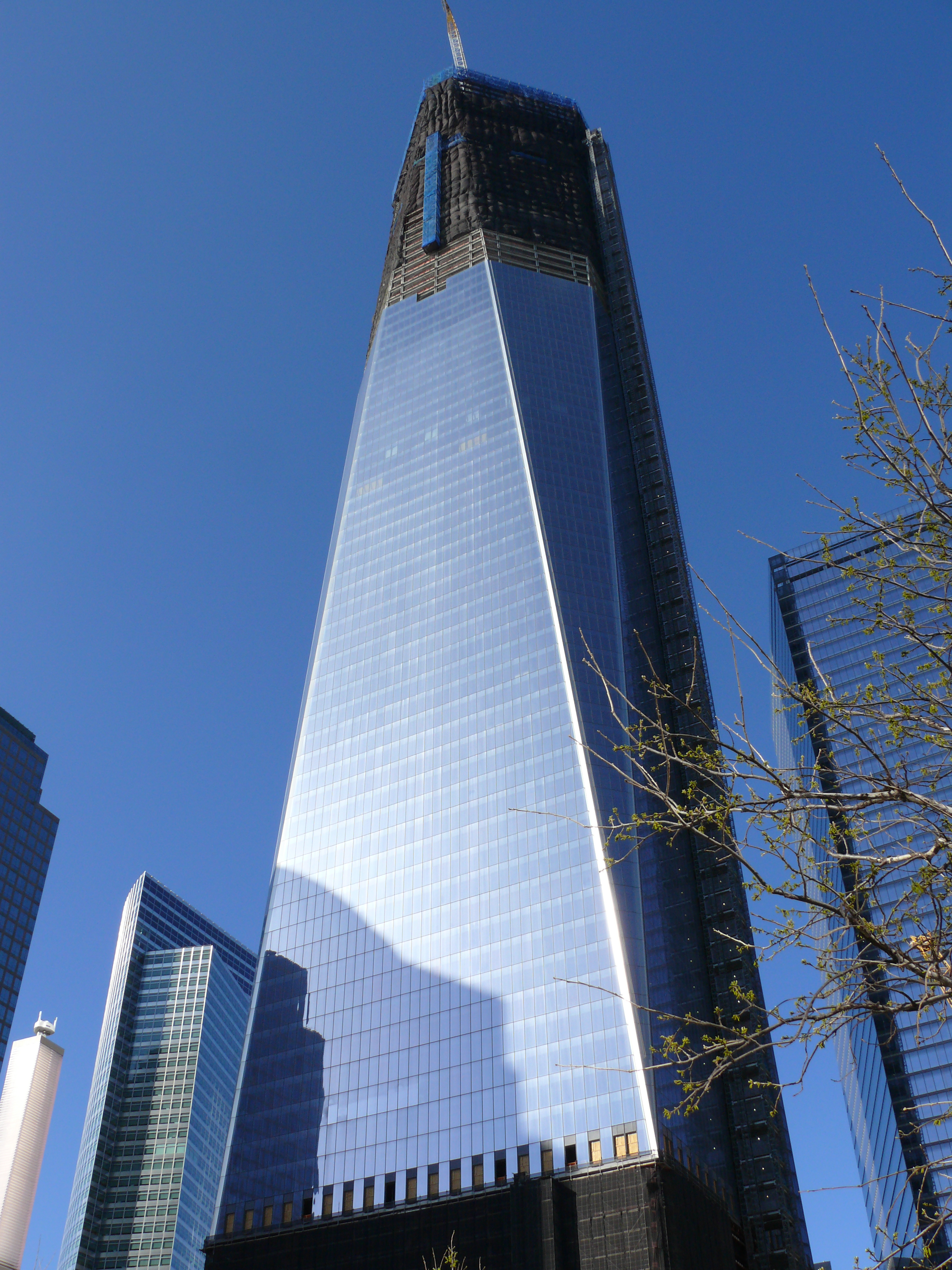
Newsweek magazine anyway seems to have discovered a way out. Go onto theirContactpage, and you see a large logo for something called EnveritasGroup. Enveritas is a digital marketing agency. Presumably they were hired by– or partnered with– Newsweek, to restore the publication to its previous standing. And lo and behold, the new strategy appears to have moved Newsweek headquarters to the most prestigious address in New York City: One World Trade Center. The lofty skyscraper built to replace the twin towers.
But has it? Search online the listed address with suite number included– 8500– and you come up with not Newsweek, but an outfit called Servcorp. Servcorp sells virtual office space– meaning, a prestigious address. They are, in other words, a glorified maildrop, for Newsweek and other companies.
Where is Newsweek magazine’s headquarters actually located, including their editorial office? Elsewhere in New York? Individual editors’ homes and on Zoom? A small town in Arkansas? We don’t know. But it sure looks as if Newsweek is perpetuating the illusion they’re still based in Manhattan, while cutting costs drastically by working elsewhere.
The downside: no more swanky three-martini lunches.
“At the Opera” in EZ2 is a cut-up multidimensional short story inspired by the innovations of avant-garde pioneers William Burroughs and Kathy Acker– but also by the editing techniques of pop music (sampling) and cinema (montage). The presumptuous goal: to create a literary collage, using public domain writing by several of the greatest novelists who ever lived.
ABOUT THE FICTION
The three other main fiction works are subtly dystopian– subliminally speculative– about where our world is now, and where it’s headed.
ABOUT THE POETRY
The poems in EZ2 were chosen specifically either for their ability to comment on an adjacent story (“Common Note” by John Zedolik commenting on “Care” by Sam Paget), OR for their ability to be part of a word-and-design fusion, where the poem is not simply accompanied by an illustration or design, but fuses with it.
THE ANALOG EXPERIENCE
Extreme Zeen 2 is the ultimate in analog literary experience, presenting words and colors which “pop” off the page and cannot be duplicated on any digital electronic screen.
THE NEW POP LIT MISSION
The New Pop Lit mission is to create publications which can engage all segments of the population– with words and presentations that are fun, stimulating, and thought-provoking. Not off-putting text-dense books, but instead, inviting attractive zeens.
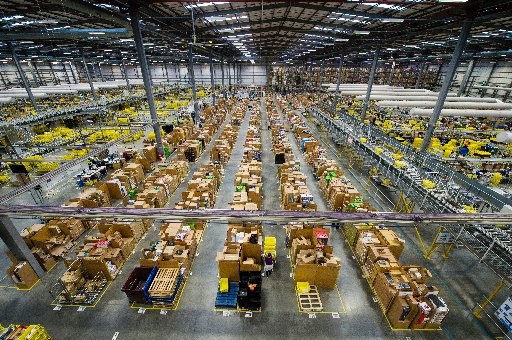
On-line seller Amazon has a current market value of $1.59 trillion and climbing. It’s the largest e-commerce company in the world and no one else is close. At the beginning of 2020 Amazon had over 30,000 delivery trucks and has put in an order with electric vehicle manufacturer Rivian for 100,000 more. Amazon currently has 175 enormous fulfillment centers in operation– 150 million square feet of space. If present trends continue, these numbers will increase. Quickly.
A CURRENT-DAY OCTOPUS
The Octopus is a 1901 novel by Frank Norris describing a railroad monopoly which was ruthlessly putting anyone who stood in its way of expansion and growing profits out of business. Sound familiar? In the novel (based upon actual events) a group of ranchers– self-employed businessmen– are utterly destroyed by the unfeeling monolith.
The good news is that 1901 was a sort of peak for the railroad monsters. A fledgling technology created and pushed by upstart entrepreneurs soon enough displaced the older technology with a more flexible alternative: the automobile.
Which means that even Amazon can be competed with– but it will take new ideas. A variety of them. We’ve come up with some of our own.
HOW THE MONSTER OPERATES
Amazon achieved its monopoly status, beginning with books, based on two basic ideas.
1.) Offer more choices than anyone else– ultimately, to offer every book ever published.
2.) Offer the products at a lower price than anyone else. Lower than anyone could possibly match.
The result has been a boon for the compulsive reader, but damaging to publishers– and devastating to writers.
WHY?
Because in these conditions it’s all but impossible for any new writer to stand out. For any single book to stand out.
At Barnes & Noble, the author was one out of 50,000. On Amazon, he’s one of millions.
Contrast this with a cultural entity at the beginning of its cycle. In the early days of hip-hop music in the late 70’s, how many prominent hip-hop recording artists were there? A handful?
Or take the rock n’ roll explosion in 1956. Again, fueled by a mere handful of stars who could create acceptable versions of the hybrid genre: Chuck Berry, Bill Haley, Little Richard, Elvis Presley– few others.
When the Beatles arrived in America in February 1964, they were the only British rock act in the vicinity, and stood out. Five years later, after every possible put-together group of mop-top Brits who could hold a guitar– in tune or not– had entered these shores, the value was not so much. It makes a huge difference if you’re one of one, or one of five– or one of 500,000.
In MFA programs across the U.S.A., students learn to craft fiction or poetry as well as– and indistinguishable from– that of ten thousand others. What, then, is the point?
THE GREAT LEVELLER
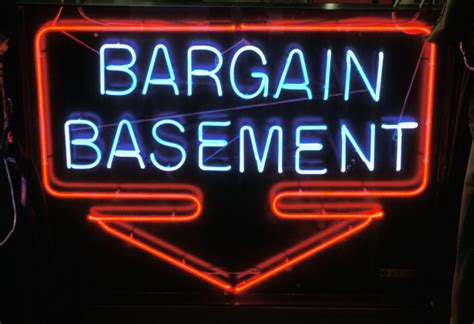
For books, Amazon has been like McDonald’s with hamburgers: The Great Leveller. Small-d democratic. Everyone can afford to eat hamburgers– and everyone now can afford to read any book. We’re all the same. In the process– with the commodification of the product– that product has been cheapened. Anyone now can read books but few are reading them. Books have lost their importance, their uniqueness, their value. They’re part of Amazon’s discount bin, rejects nobody wants.
DOING THE OPPOSITE
If Amazon’s strategy was to flood the market with books at rock-bottom prices, the antidote is to do the opposite, with a proviso.
Doing the opposite means offering a small number of authors, at a limited number of outlets. The proviso is the authors will need to have hyper-appealing personas– able to be “stars”– and the writing as well as the presentation will need to be notably different from anything else on offer. Attention-getting. The writing will need to be in a new style and genre, while the literary vehicles– books, if you will– will need to look like something other than a book. The literary upstart will need to offer–
THE SHOCK OF THE NEW
Which is why we put so much emphasis on innovation. Innovation of the art and the vehicle of the art.
A difficult task, with enormous potential payoff.
Our plan stands upon three basic ideas.
1.) Offer authentic artistic experience.
2.) Rebound away from the cheap.
3.) Make our products unique.
<<<<>>>>
In his quest to corner the market on books, Jeff Bezos cheapened the contents of those volumes: literature. Instead of a valued expression of the highest sentiments and ideals of mankind, literature became a bargain basement commodity, sold at discounts or given away. A race to the bottom. Our mission is to restore value to the literary art. To accomplish that will mean revamping the art, the way it’s presented, packaged, and marketed. All will need to be opposite to Amazon’s glorified bargain-basement discount shop.
The printed analog products– which we call zeens– we’ve created so far, three in number, are templates for those to follow. In the three zeens we express a variety of artistic ideas, attempt numerous effects, some partially successful, others more so. What we’re learning with our artistic and literary experiments will pay dividends in the future– on the road toward creating truly amazing literary journals.
To see those experiments, click on ourPOP SHOP. You may choose to order one or more of them– then open them when they arrive and fully see what we’re about.
















 newpoplitnews.com