How Ernest Hemingway Reinvented the Literary Game
AN ANALYSIS
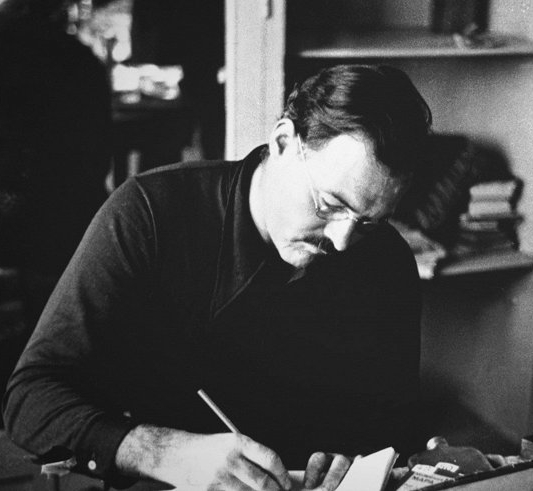
When “Shock of the New” artistic change happens, which resets everything involved with an art form, later generations look back at the change as a given. The cultural earthquake becomes an accepted part of the environment. Only if you go back in history to grasp the pre-moment– the world, the art, as it existed before the change– can you understand the full impact.
Such is the case with Ernest Hemingway.
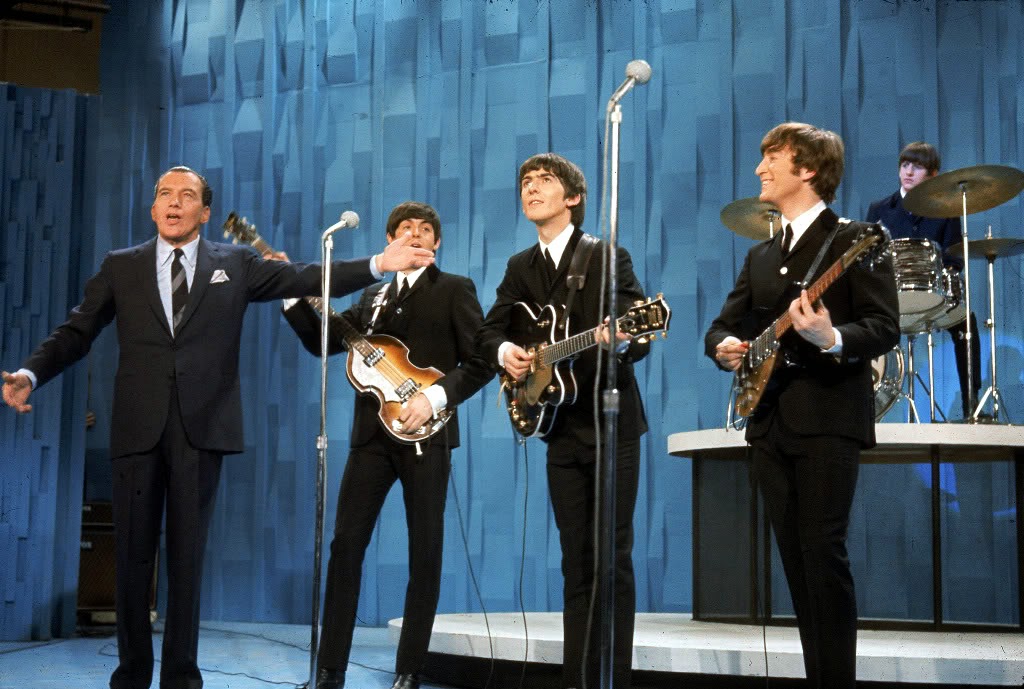
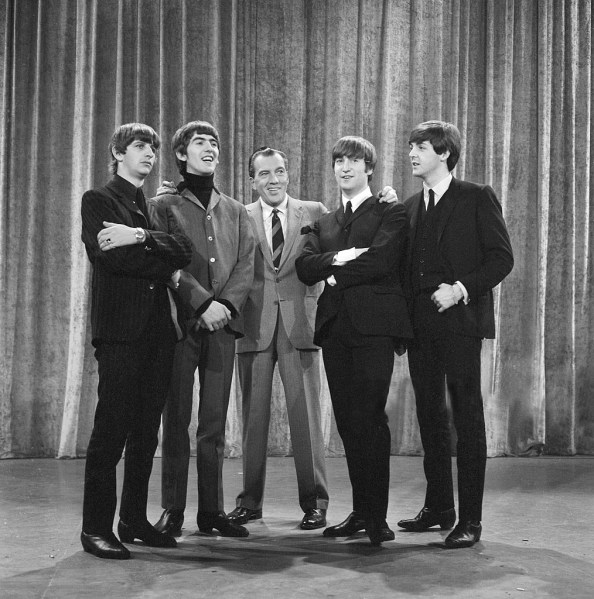
You could say Hemingway was the Beatles of literature. He became the face of a stylistic reinvention of the art– a reinvention now largely discarded by literati– and a role model for that always-endangered animal: male writers. The list of American authors inspired by his success is a long one: J.D. Salinger; James Jones; Irwin Shaw; Norman Mailer, James Baldwin; Gore Vidal; Richard Yates; Herman Wouk, to name several, each of them in pursuit of that elusive prey, the Great American Novel.
ASPECTS OF CHANGE
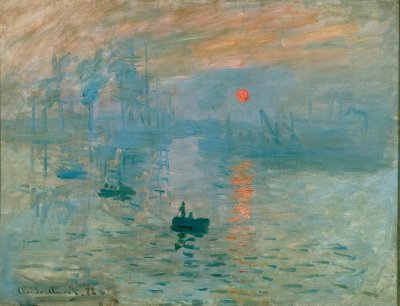
STYLE: Ernest Hemingway’s compressed, less-is-more writing style was based in part on the innovations of Gertrude Stein and Sherwood Anderson, but also on his observation of Impressionist painters like Cezanne, who could create an image and capture a moment in time with a few brush strokes. Give the right detail and the observer’s brain fills in the rest.
Hemingway applied the same principle to writing. (As would under-appreciated French detective writer Georges Simenon.) The goal: more sense of immediacy; increased intensity.
Ernest Hemingway made writing look easy– when his technique was anything but. The minimalists of the 1980’s were, for the most part, a caricature of the Hemingway style. Not to mention most pop detective fiction! See Mickey Spillane. Simenon without the humanity.
The trick when assessing Hemingway’s work is treating it as a starting point, not an end point. He opened a door that other writers– including today’s writers– need to jump through.
DESIGN: Ernest Hemingway was, like his friend F. Scott Fitzgerald, a student of overall narrative design, most evident in his two famous short stories of the 1930’s, “The Short, Happy Life of Francis Macomber” and “The Snows of Kilimanjaro.”
The former artfully switches viewpoints throughout, from Margaret Macomber to Wilson the big game hunter, to Francis Macomber. At one point the story enters the viewpoint of a lion! Masterful.
PERSONA: The 1920’s, care of the Lost Generation of expat writers in France and Spain, is looked back at as the most glamorous period of American writing. F. Scott Fitzgerald and Ernest Hemingway– public figures both– were as celebrated as rock stars. A large part of this was the swaggering Hemingway persona. The two, in different ways, made writers cool again, as they hadn’t been since Byron. The literary scene became exciting.
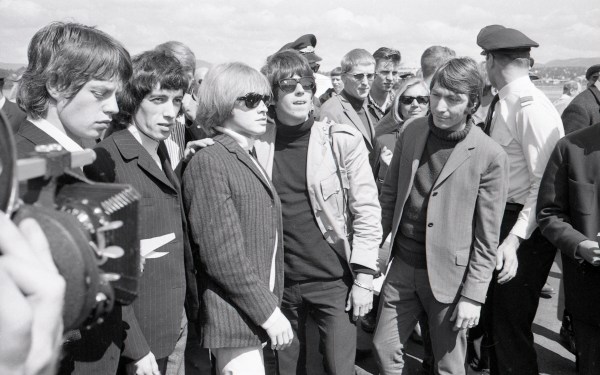
Ernest Hemingway ended up as big, or bigger, a cultural figure as pop singers, athletes, and movie stars.

(image c/o Everett)
Can Ernest Hemingway be a model for writers now?
You won’t find a better one!
-Karl Wenclas for New Pop Lit NEWS





 (“Impression Sunrise” by Claude Monet.)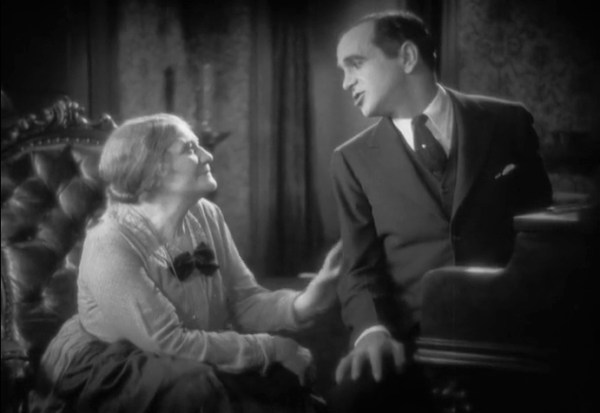



 ****
****

 newpoplitnews.com