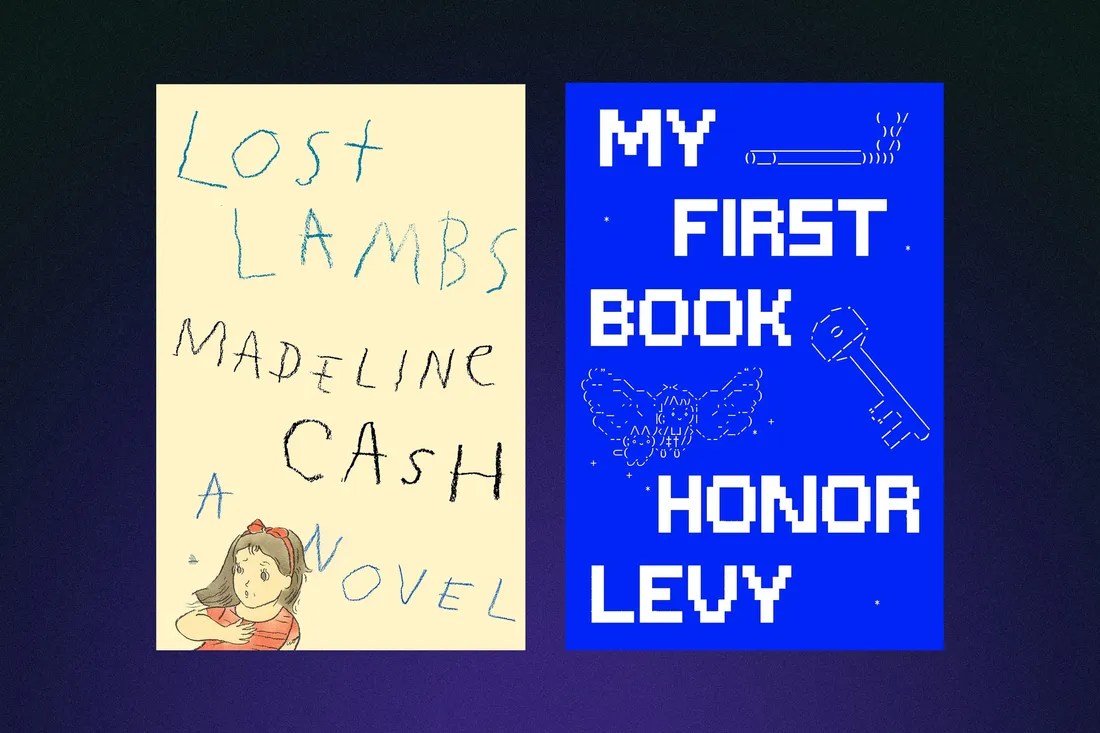
Sure looks like an establishment collapse, anyway. The above two covers are for the two most heavily-hyped literary books of the past two years. Can people not see how bland and neutered the two covers are, as is the writing inside them? Brilliantly fake in one case. Instantly dated in the other. Both written by well-connected bubble-world monoclass authors. “Of the moment,” at least for the Manhattan-Brooklyn trust fund set. They’re akin to the pop music world circa 1955 when rock n’ roll burst onto the scene from beneath. From the hinterlands and underclasses of the American nation: settings not of pampered complacency, but cultural change. Upsetting a status quo that had no edge, no reality, no passion. Like literature today.
How much Big 5 conglomerate marketing money was behind these two books? A million dollars each? There’s no way of knowing, because no arts journalists take an adversarial stance, combined with real investigation into things. If they did, they’d lose their livelihood. The way things have been in the moldy lit scene for decades.
LAST GASP OF THE INTELLIGENTSIA
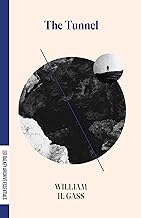
Never fear! Our literary intellectuals have an answer: the metafiction novel The Tunnel by William Gass, due to be rereleased by Dalkey Archive Press in exactly one month. A novel about a professor, and about his mentor, who’s a professor, and his colleagues, who are professors, and about a book he’s writing, but it’s really two books, and Gass said he made the opening difficult to discourage most readers. Certain to save the art!
The Phd crowd are excited, anyway, if no one else.
STUDY what remains of the established literary scene and you’ll see they have no intention of altering anything about how they think and write. Their standards, their icons, their ideas are set in concrete. Jackhammers couldn’t remove them. They could be living in Ancient Rome. They’re going to tough it out!
WE PLAN to establish, using the New Pop Lit platform as base, our own survival bunker. One focused, though, on changing the art. Using every human-based tool available to soon enough attack the AI-generated avalanche. We’ll be looking for allies.
WHILE BOTH the literary establishment and the broader lit-mag world dawdle, tech bros are investing large sums of money toward the goal of taking over the publishing world– as outlined in THIS hair-raising article about a company called Inkitt. The article doesn’t give the entire story: that the chief Venture Capitalist backing the project, billionaire Vinod Khosla, co-founded Sun Microsystems decades ago and went on to invest in, and make a fortune from, several enormous tech projects since. Now he’s looking for new territory to conquer. His current target: the literary world.
WHAT’S HAPPENING
What’s happening is an ongoing accelerationist blitzkrieg, fueled by billions in VC money. The goal: to take over industry after industry, using the tool of AI. “Move fast and break things” has long been the tech mantra– to spread the use of new technology as quickly as possible, allowing momentum itself to bypass slow-moving regulations and protests. To make adoption of the technology an accomplished fact.
MEDIA INFRASTRUCTURE
A large advantage tech companies have over traditional publishers– not to mention over low-rent literary outfits like New Pop Lit— is a tech media infrastructure in place ready to make PR noise about everything done by technology companies, large and small. This particular story about Inkitt, for instance, was covered not just by Tech Crunch, but also by dozens of other tech media outlets– coverage a standard small press outlet would never receive. In addition, business media flagships like Fortune Magazine are now devoting a huge amount of time and space to everything AI related, and are in business arrangements with AI companies, pumping onto social media outlets, like X, ads disguised as news articles.
How do poorly-funded literary outfits compete? We need to find ways to compete.
PRODUCER-DRIVEN ART
The goal, as outlined with the Inkitt strategy, is to model the literary business on what happened to the music industry, where creators aren’t artists themselves, but producers, who use computer technology to create the superstructure of a song, with an artist’s voice one of several tools layered into the recording. (With AI, a real human voice will no longer be required.) This process is well described by John Seabrook in his book, The Song Machine: Inside the Hit Factory. The key figures in Seabrook’s narrative are two producers who created the careers of pop stars Britney Spears, Katy Perry, Rihanna, and many others: Dr. Luke and Swedish-born Max Martin. They set a pattern that was followed by other entrepreneurs– and taken to extremes by South Korean Lee Soo-man’s SM Entertainment Company, creator of enormously successful K-Pop music. According to the Wall Street Journal, SM spends $3 million on meticulously training and molding each manufactured pop idol. The singers play their parts, but the music and presentation are the carefully-choreographed products of a billion-dollar entertainment company which calls all the shots.
This is a far cry from a Bob Dylan writing his own songs, then performing them himself with only an acoustic guitar and a harmonica.
Is this the future of the writer? To provide a name, face and semblance of a novel– then the tech corporation does everything else? A world of difference from the DIY ethos of print zines, and of the Underground Literary Alliance, which in the early 2000’s constructed the foundations of a cooperative literary movement in which writers themselves would make all decisions and be in total control of their own art; of every aspect of the publishing and promotional process.
WHAT HAPPENS NEXT?
IF outfits like Inkitt are successful, one can expect that Big Five publishing will either mimic the strategy of new AI publishers, or buy them out. Then there are “self-publishing” (vanity press) outfits like Mindstir Media. Mindstir, whose packages for would-be authors with money to burn range from $3299 to $30,000, already uses AI voices for their customers’ audio books. Will they also begin using AI for the editing/creation of the books themselves, in order to inexpensively grab more customers?
In any case, the market will be swamped by more and more AI-generated books, with plots and characters following the dictates of algorithms. Computer-programmed literature for a computer-programmed world, human beings used as both tools and consumers, a handful of giant corporations run by mega-billionaires making all profits.
Alternatives need to be found for this nightmare scenario. We believe the only viable alternative for human creators to follow will be human-centered– drawing on our human souls and natural abilities to create literary works more relevant and meaningful than anything produced by inhuman bots and soulless conglomerates.
Are you concerned about a flood of A.I.-generated books and articles dumped on the already-too-competitive publishing scene?
Established authors will have nothing to worry about. Neither will the well-connected Manhattan/Ivy League crowd. But what about the rest of us– those independent Do-It-Yourself writers, like ourselves, who have books on Amazon or elsewhere to sell?
Right now there are many hundreds of thousands of writers scrambling for notice (along with more than 1600 literary outfits like ours). A market already divided into micro-niches will be divided into further niches, as the number of “authors” looks to multiply several times over. Business’s long-tail effect stretching ever longer.
At minimum, there needs to be proper labeling on literary products, so readers readily know what they’re getting.
Ergo, our Petition, advocating for information statements on A.I.-created books.
Please click, read and consider signing! Also, please feel free to offer feedback or pushback, by adding a comment below.
(As we say, we’re not against technology– it’s inevitable– we want transparency. There undoubtedly are many in the tech industry and outside it who will want to purchase A.I.-created books. Labeling will make their task easier.)
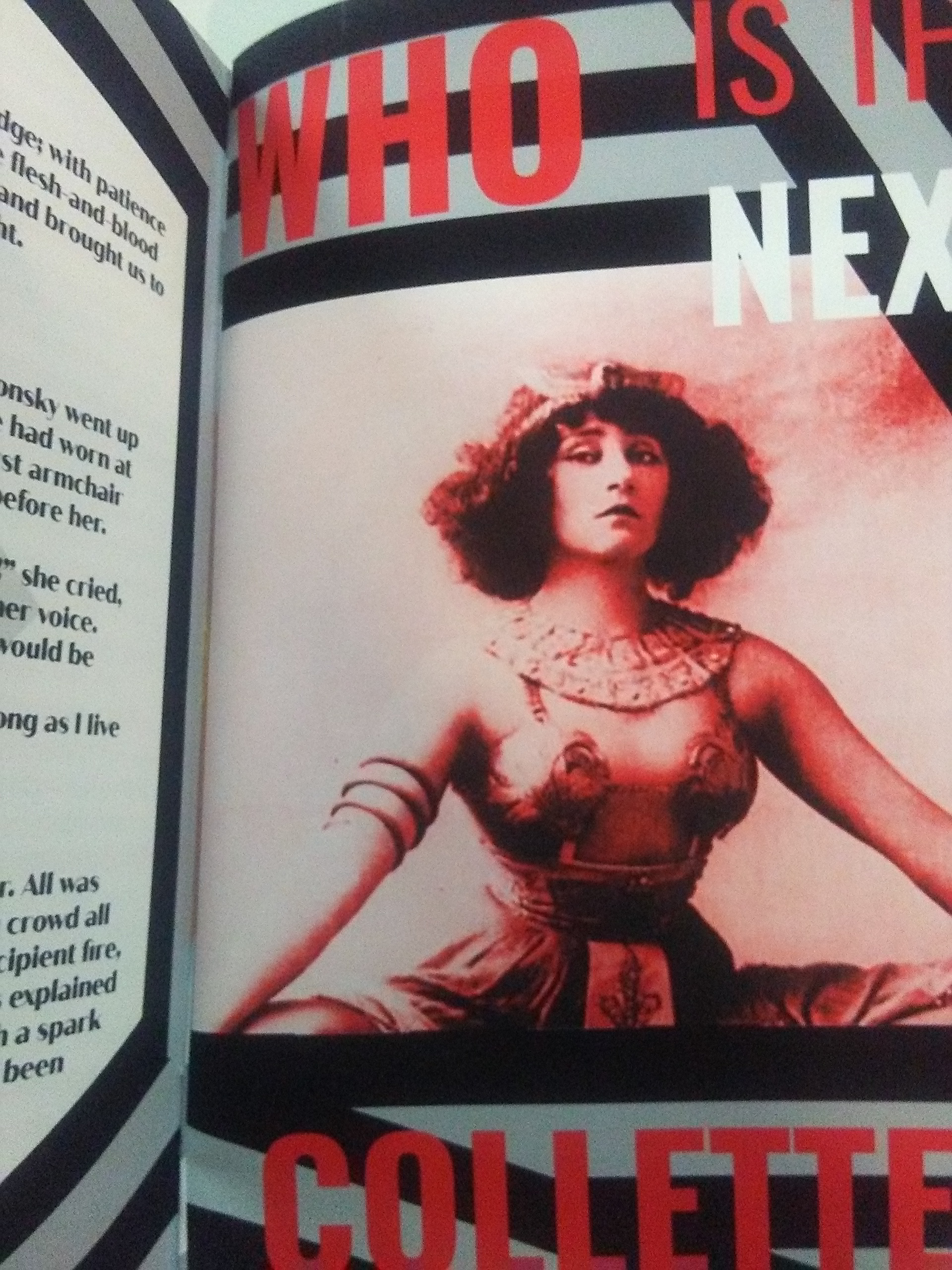
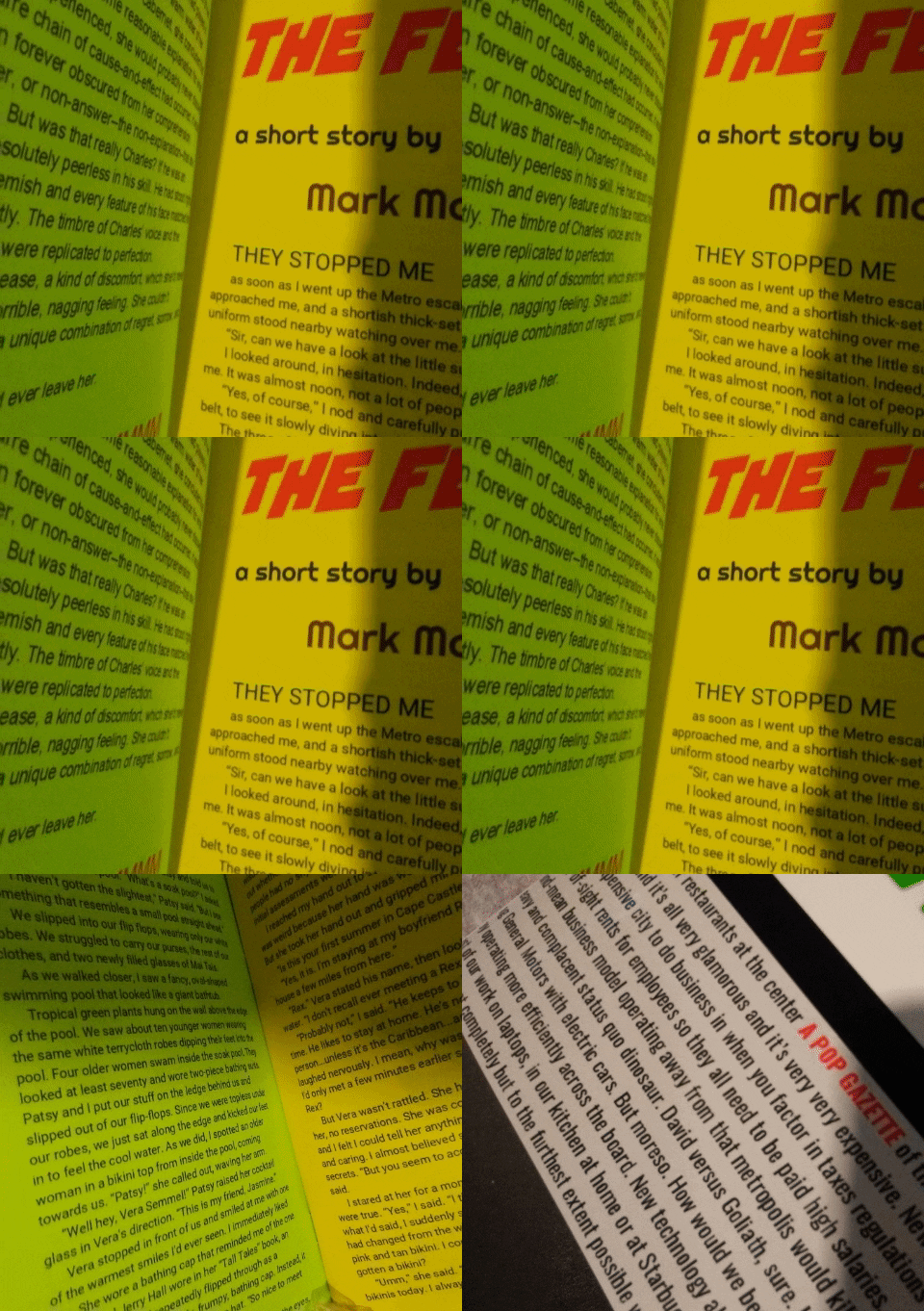
FROM THE START the thinking behind our zeens was to create a better literary product. We’ve done that by incorporating color and design into the inside pages, not just the covers. Big Four publishers– as well as some boutique outfits– do this to a minimal extent, usually for non-fiction offerings (on diet and fashion particularly). Seldom for novels or short story collections.
The idea no doubt in not doing it– besides inertia– is to keep the reader focused on the text. Our approach is to enhance the text by incorporating design into the narrative. Use of colors– pages or text– or changes of font, or font size, to emphasize conflict or emotion. Breaking all accepted publishing rules in so doing.
Being from Detroit, we’re influenced as much by car design– emphasis on sleekness and efficiency– as by standard graphic design.
In addition to innovative design, we also use different types of printing paper to enhance the visual effect of our zeens. The goal: to have words, colors, and art “pop” off the page. Effects which can never be achieved on an electronic screen.
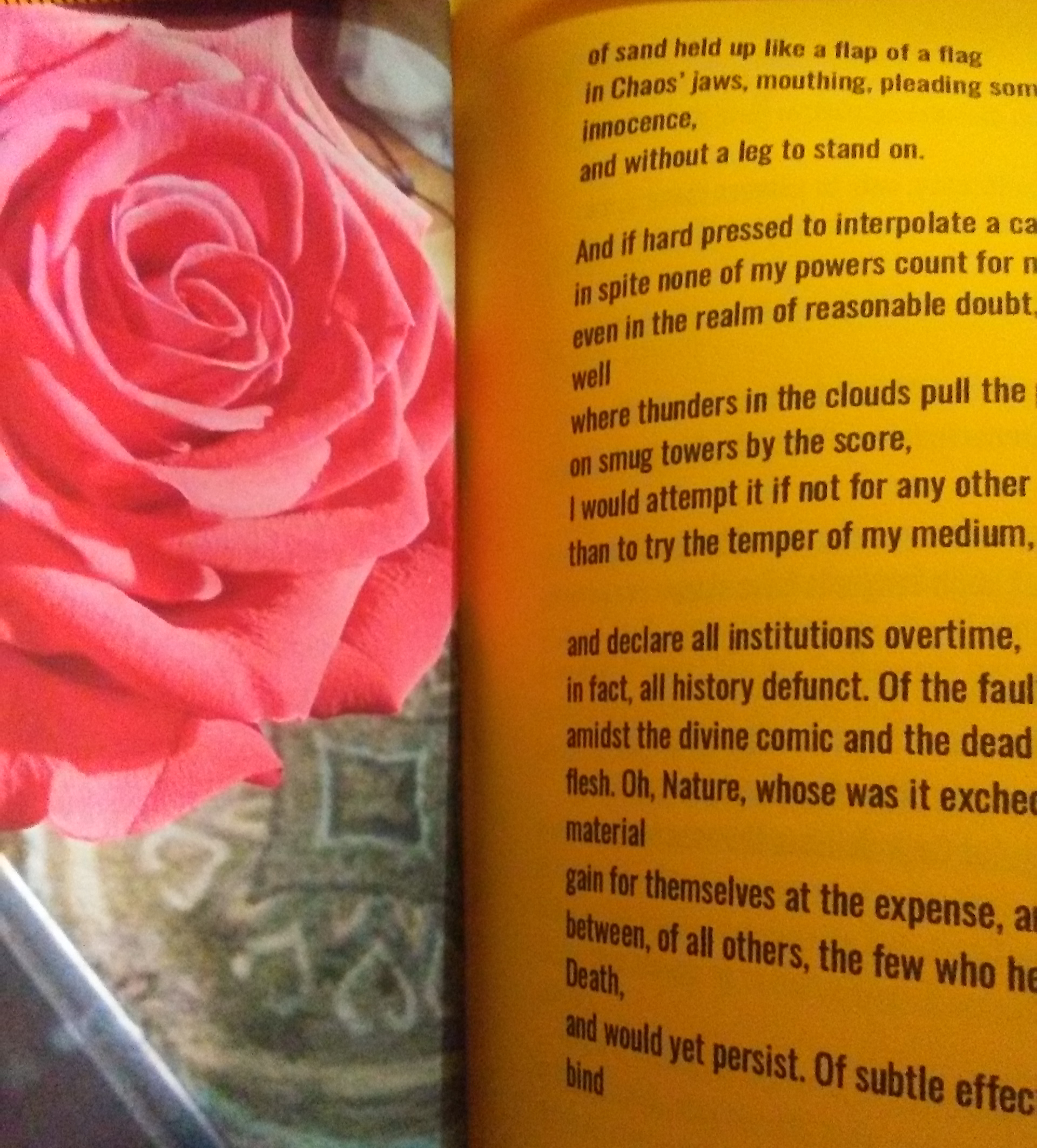
Our first zeen, Extreme Zeen, released in April 2020 during the first surge of the pandemic, is fairly crude by the standards of those we’ve produced since, but does contain striking visuals, including a blown-up photo of a rose to illustrate a poem about same, and psychedelic centerpiece art, “Lucy in the Sky,” by our own Kathleen M. Crane.
Our latest, Extreme Zeen 2, goes further in utilizing design– not solely to enhance the individual stories and poems, but predominantly to project a consistent aesthetic theme throughout the issue. The overall impact is both apparent and subliminal.
Among our models are upstart record companies of the past like Motown and Subpop, but also the many new EV motor companies of now who are challenging the giants. We consider Extreme Zeen 2 a prototype pointing the way toward further innovation in creating the Ultimate Literary Publication.
Our zeens, especially Extreme Zeen 2, for best use require special handling to retain their unique characteristics which place them above every other literary journal on the planet.
-DON’T smear the cover or pages with grimy or greasy hands. For example, it’s not recommended to read EZ2 directly after a.) frying and eating hamburgers, or b.) working on a car or other machinery. (If your car is an electric vehicle using no gasoline or crankcase oil, an exception may be allowed.)
-DON’T place glasses of cold beer, soda, or other beverages upon your copy of Extreme Zeen 2.
-DON’T toss EZ2 willy-nilly across a room, or at someone.
-DO NOT use EZ2 to strike a person. Or even an animal. Animals have feelings also. Or to kill insects. (It is however allowable to strike an intruder entering through a window with EZ2, if the miscreant interrupts your reading pleasure.)
-KEEP your copy of EZ2 OUT of the bathroom. The toilet paper shortage is over.
-REMEMBER, Extreme Zeen 2 is not a generic book, and must not be treated like one. It is, rather, a rare collectible.
-BEST PRACTICE. Best policy of course is to purchase two copies of Extreme Zeen 2: one for reading and admiring, the other to retain in its sealed sleeve to be placed into a safety deposit box, or a vault.
-FINAL CAUTION. Be wary of loaning your copy of Extreme Zeen 2 to any other person. Not only may they not exercise proper care and handling of it, but you may never get the issue back!
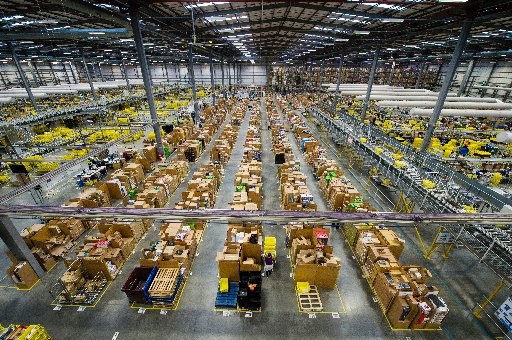
On-line seller Amazon has a current market value of $1.59 trillion and climbing. It’s the largest e-commerce company in the world and no one else is close. At the beginning of 2020 Amazon had over 30,000 delivery trucks and has put in an order with electric vehicle manufacturer Rivian for 100,000 more. Amazon currently has 175 enormous fulfillment centers in operation– 150 million square feet of space. If present trends continue, these numbers will increase. Quickly.
A CURRENT-DAY OCTOPUS
The Octopus is a 1901 novel by Frank Norris describing a railroad monopoly which was ruthlessly putting anyone who stood in its way of expansion and growing profits out of business. Sound familiar? In the novel (based upon actual events) a group of ranchers– self-employed businessmen– are utterly destroyed by the unfeeling monolith.
The good news is that 1901 was a sort of peak for the railroad monsters. A fledgling technology created and pushed by upstart entrepreneurs soon enough displaced the older technology with a more flexible alternative: the automobile.
Which means that even Amazon can be competed with– but it will take new ideas. A variety of them. We’ve come up with some of our own.
HOW THE MONSTER OPERATES
Amazon achieved its monopoly status, beginning with books, based on two basic ideas.
1.) Offer more choices than anyone else– ultimately, to offer every book ever published.
2.) Offer the products at a lower price than anyone else. Lower than anyone could possibly match.
The result has been a boon for the compulsive reader, but damaging to publishers– and devastating to writers.
WHY?
Because in these conditions it’s all but impossible for any new writer to stand out. For any single book to stand out.
At Barnes & Noble, the author was one out of 50,000. On Amazon, he’s one of millions.
Contrast this with a cultural entity at the beginning of its cycle. In the early days of hip-hop music in the late 70’s, how many prominent hip-hop recording artists were there? A handful?
Or take the rock n’ roll explosion in 1956. Again, fueled by a mere handful of stars who could create acceptable versions of the hybrid genre: Chuck Berry, Bill Haley, Little Richard, Elvis Presley– few others.
When the Beatles arrived in America in February 1964, they were the only British rock act in the vicinity, and stood out. Five years later, after every possible put-together group of mop-top Brits who could hold a guitar– in tune or not– had entered these shores, the value was not so much. It makes a huge difference if you’re one of one, or one of five– or one of 500,000.
In MFA programs across the U.S.A., students learn to craft fiction or poetry as well as– and indistinguishable from– that of ten thousand others. What, then, is the point?
THE GREAT LEVELLER
For books, Amazon has been like McDonald’s with hamburgers: The Great Leveller. Small-d democratic. Everyone can afford to eat hamburgers– and everyone now can afford to read any book. We’re all the same. In the process– with the commodification of the product– that product has been cheapened. Anyone now can read books but few are reading them. Books have lost their importance, their uniqueness, their value. They’re part of Amazon’s discount bin, rejects nobody wants.
DOING THE OPPOSITE
If Amazon’s strategy was to flood the market with books at rock-bottom prices, the antidote is to do the opposite, with a proviso.
Doing the opposite means offering a small number of authors, at a limited number of outlets. The proviso is the authors will need to have hyper-appealing personas– able to be “stars”– and the writing as well as the presentation will need to be notably different from anything else on offer. Attention-getting. The writing will need to be in a new style and genre, while the literary vehicles– books, if you will– will need to look like something other than a book. The literary upstart will need to offer–
THE SHOCK OF THE NEW
Which is why we put so much emphasis on innovation. Innovation of the art and the vehicle of the art.
A difficult task, with enormous potential payoff.
Our plan stands upon three basic ideas.
1.) Offer authentic artistic experience.
2.) Rebound away from the cheap.
3.) Make our products unique.
<<<<>>>>
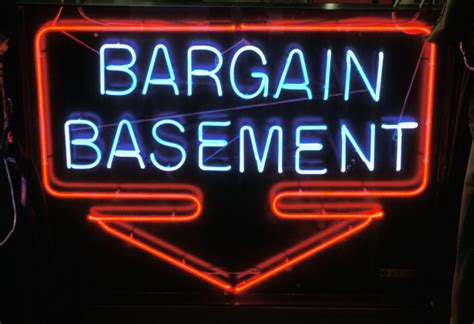
In his quest to corner the market on books, Jeff Bezos cheapened the contents of those volumes: literature. Instead of a valued expression of the highest sentiments and ideals of mankind, literature became a bargain basement commodity, sold at discounts or given away. A race to the bottom. Our mission is to restore value to the literary art. To accomplish that will mean revamping the art, the way it’s presented, packaged, and marketed. All will need to be opposite to Amazon’s glorified bargain-basement discount shop.
The printed analog products– which we call zeens– we’ve created so far, three in number, are templates for those to follow. In the three zeens we express a variety of artistic ideas, attempt numerous effects, some partially successful, others more so. What we’re learning with our artistic and literary experiments will pay dividends in the future– on the road toward creating truly amazing literary journals.
To see those experiments, click on ourPOP SHOP. You may choose to order one or more of them– then open them when they arrive and fully see what we’re about.
A NEW NOVEL has appeared from one of mainstream publishing’s best authors– TheQueen of Tuesday by Darin Strauss. Strauss is a traditional novelist who specializes in imaginative historical fiction about celebrities or curiosities from past eras. His newest book covers the rise and life of classic television personality Lucille Ball– with an intermittent relationship between Ms. Ball and Strauss’s grandfather(!)– part real and part imagined– mixed in.
How capable a writer is Darin Strauss? His last book, a memoir, won a National Book Critics Circle award. The Queen of Tuesday has received rave reviews from the Washington Post, Los Angeles Times, Boston Globe, Publishers Weekly, and many other outlets.
The Queen of Tuesday is about the creation of celebrity. Darin Strauss well captures the personality of the type. More, in the novel he’s tuned-in to celebrity culture, its glitz and hype– and by extension, to America itself. Celebrity is America.
An early scene–
THE BIRDS ABOVE Ocean Beach see the drum-shaped premiere lights slide glamour beams along the clouds. The birds see—with a clapped paper bag sound of wings passing—a giant steel-and-glass pavilion, all a-sparkle. The birds see Ziegfeld girls, restaurateurs, a late-arriving Broadway impresario exiting his pleasure sedan. That wind picks up, goosebumping eight hundred arms. The birds see pinups, radio luminaries, heartthrob clarinetists. They see the covetous attractive charmers who take root in the soil around celebrities. (These are the career fawners—the money-takers.) They see Bing Crosby in the flesh. And Ted Mack. And Mary Martin holding Vic Damone’s thick arm. They see clothes as a standard and elegant repression. They see the boardwalk as a splinter that pokes the beach in the eye.
1950’s glamour jumps from the page.
Lucille Ball’s career from failed Hollywood starlet to television phenom and production company owner is the quintessential American success story, more remarkable because Lucy did it in an era when women weren’t supposed to be in charge of a major company. When women were seldom seen at all in upper levels of the aggressively sexist three-martini corporate world of that era.
Strauss portrays the relentless hype of those times (with a Trump thrown in) and he captures the period’s Technicolor vibe.
<<<<>>>>
It’s a fine novel. Darin Strauss is one of a cohort of hyper-competent authors deployed by publishing’s Big Five. Those who represent not mere temporary Sally Rooney trendiness, but the ability to produce well-crafted fiction seemingly at whim. Beautifully-crafted novels with gorgeous covers. Fit for display at the front of bookstores, so that publishers, editors, agents, the entire panoply of New York publishing can look at them and be well pleased with what they’re producing. Like a General Motors viewing an array of models at a dealership lot. No one could possibly produce a better literary product. No one could write a better book. On their own terms, these statements are completely true.
AND YET– ?
And yet– what’s wrong with this picture? If Darin Strauss isn’t the best contemporary American novelist, he’s near the top. His new novel is colorful and lively compared to those of his peers (from a Sally Rooney to a Jonathan Franzen). It displays every talent– yet, that Darin Strauss himself isn’t a celebrity, on a level which a Herman Wouk or Irwin Shaw reached in their day, says a lot not about Darin Strauss so much as the current literary system itself, and its place in society.
IN the 1950’s, the decade when Lucille Ball was achieving her fame, hyper-competent novelists like a Wouk or Shaw, a Gore Vidal or Norman Mailer or Ayn Rand or John Steinbeck (not to mention Hemingway) were themselves celebrities. Well-known public figures with large cultural footprints.
Today, for the greater American public, not even a Jonathan Franzen or Sally Rooney is a recognizable name– much less a face that would be recognized on the street.
WHAT HAPPENED?
One could write a book on what happened and be wrong in the analysis. But at some point it’s a failure of PR and marketing– has to be. Strauss’s publisher, Random House– the best out there– does everything by the book. It might be the same book from the 1950’s, and even if it’s not it’s time to change it.
(Though like General Motors with their internal combustion vehicles, the products all look wonderful on display, and run/read well, so why change anything?)
THE NEED FOR CHANGE
Another factor, in this commentator’s opinion, is the need in any business, art, or cultural activity for change. To offer something new. There hasn’t been anything new in the literary realm since the Beats– who came to prominence at the same time Lucille Ball dominated the TV airwaves.
The template for the novel currently in use might be the best possible. No one using it would dream of smashing it for something way more unpredictable, crude, and unwieldy. Yet like 19th century artists destroying the status quo template of the painting, such destruction might be the only way to offer a fresh artistic experience– a different way of viewing the world– than currently available.
We’ve been mulling over possible terms for the effect given the reader by opening the pages to either of our two new print zeens, Extreme Zeenand ZEENITH.
The way the images and words seem to pop off the page.
The ZEENITH Effect? POPvision? POPcolor? Gigacolor? Dream Design?
We’re looking for something striking and original– matching the originality of the publications themselves. Which you can look at here.
BE READY! July 21st we introduce a new form of literary publication unlike anything seen. (Except our own Extreme Zeen.) Faster, sharper, sleeker– with lines, looks, and colors throughout intended to dazzle the eye. Meant to kick off a new era in art, presentation, and writing. Includes eight terrific writers who create in a variety of styles. Inspired by classic print zines but of higher aspirations and palpable quality. A fusion of the best of zine and literary journal, throwing out everything stale and unnecessary. We call this historic new creation–
ZEENITH!
-Be prepared to purchase your copy of ZEENITH at ourPOP SHOP beginning 9 a.m. TUESDAY.-
In so doing you will enter a new world of art and amazement.










 newpoplitnews.com